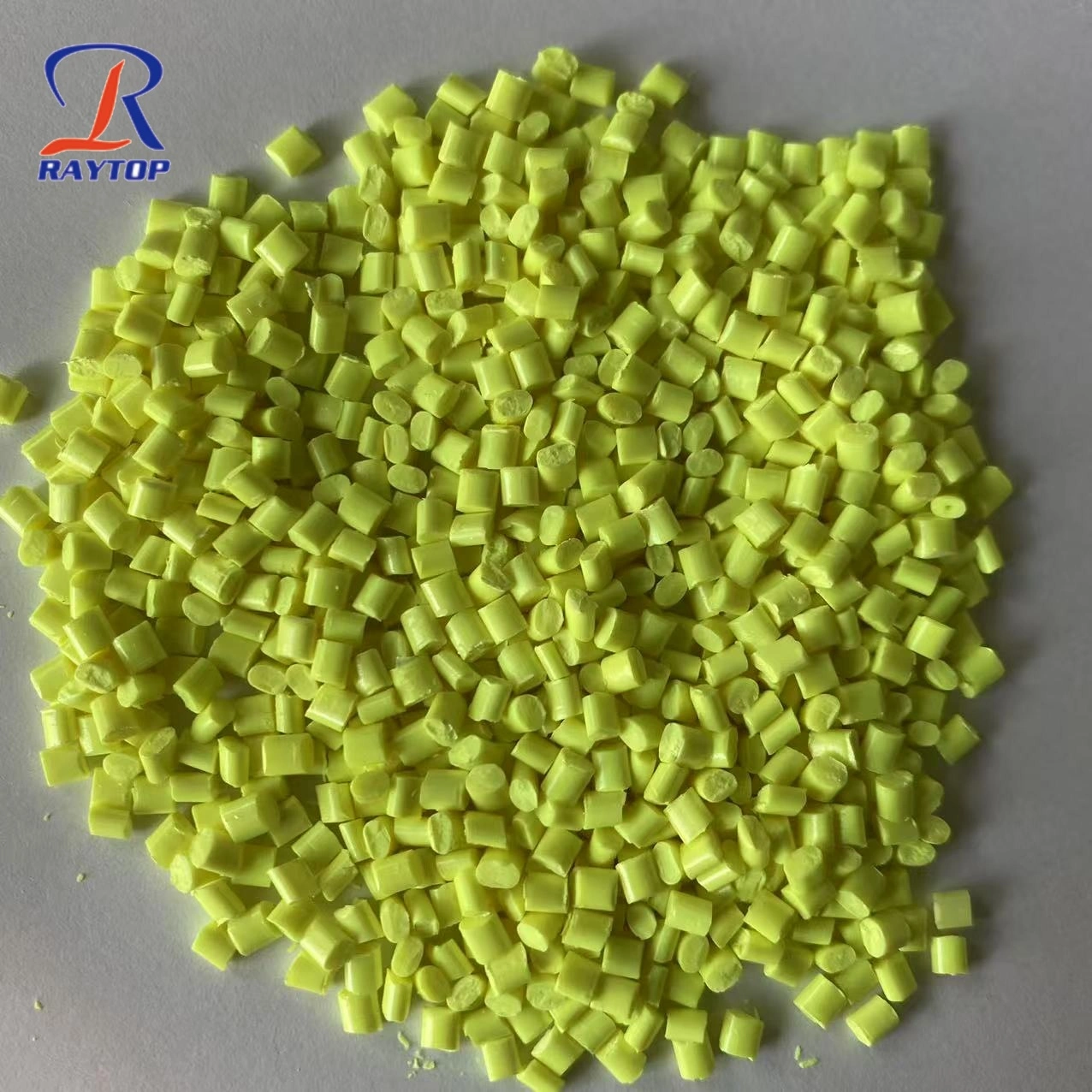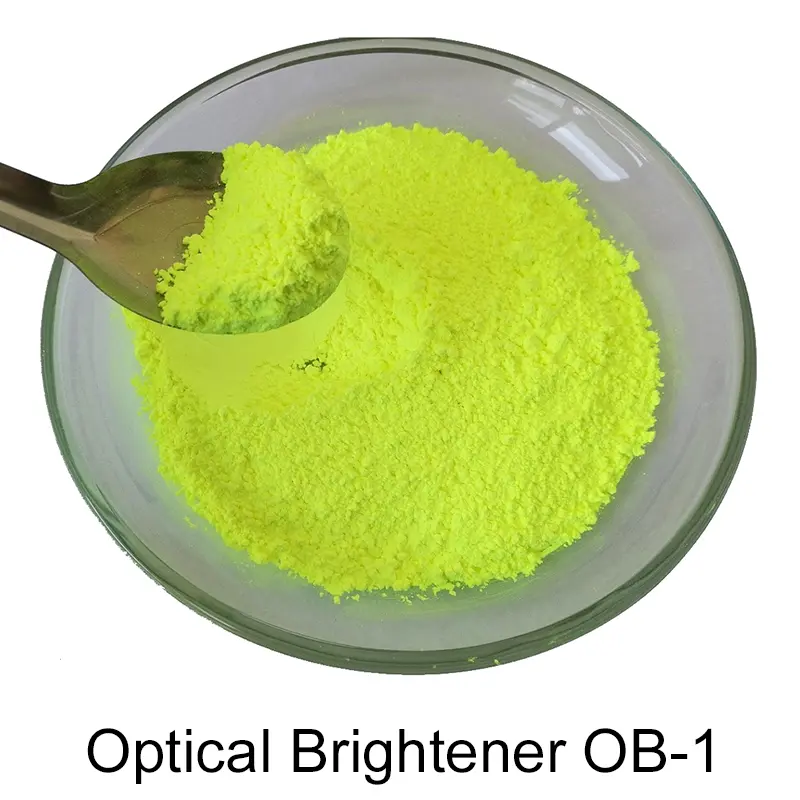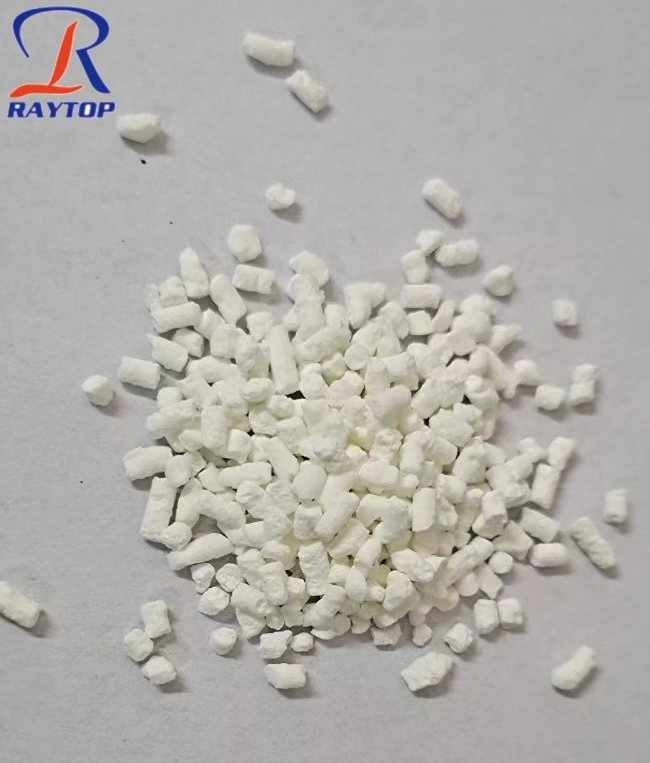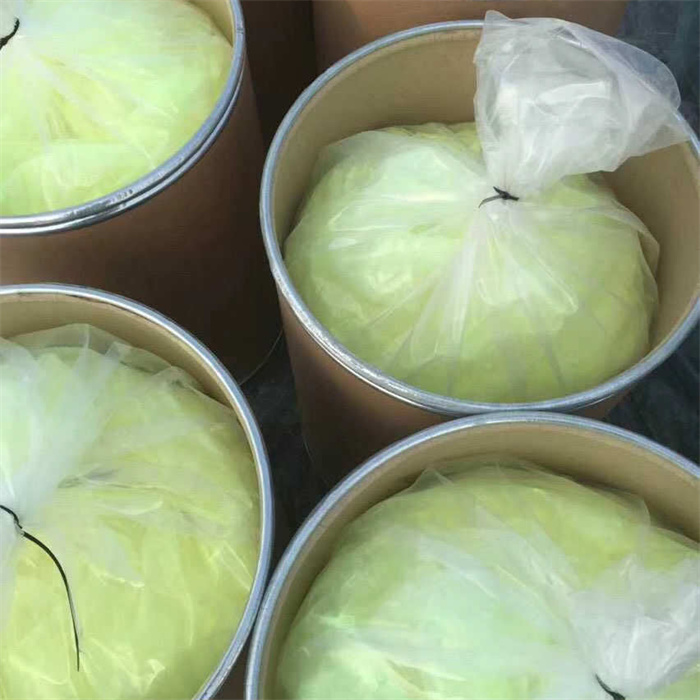
Fluorescent Whitening Agents (FWAs), also known as Optical Brighteners, play a critical role in industries such as plastics, fibers, coatings, and inks by improving product whiteness and brightness. OB and OB-1 are two of the most widely used types. While they appear functionally similar, they differ significantly in chemical structure, thermal stability, performance characteristics, and application fields.
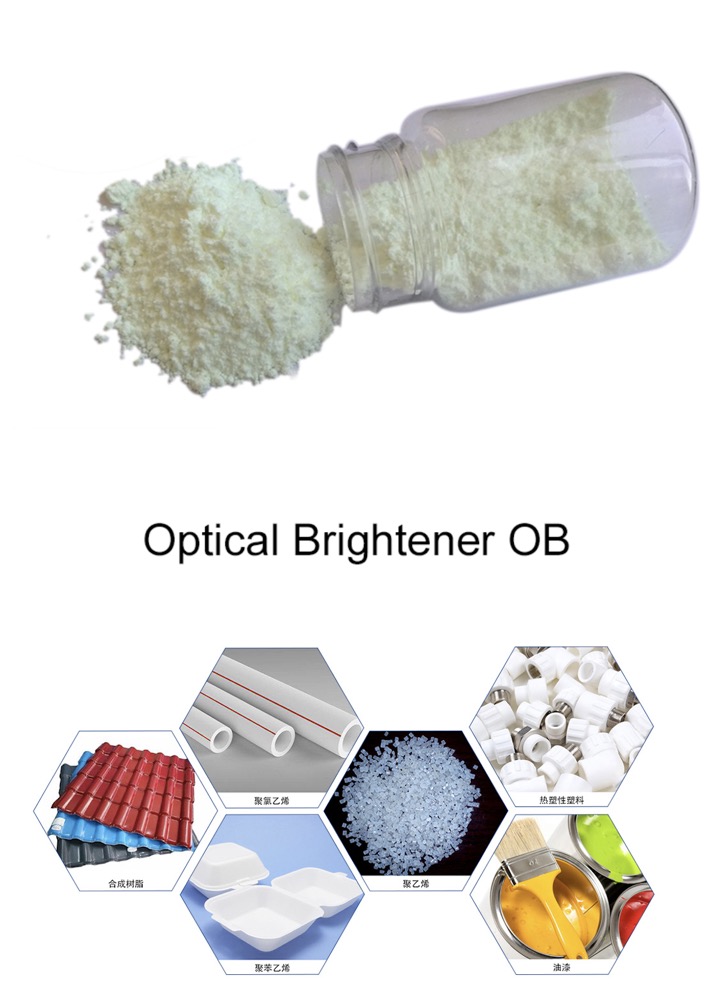
Optical brightener OB & OB-1 both can used for plasics,but many customers think they are the same product,that is because they do not know the differences between OB & OB-1.Even they are different products,but their appliaction and end products are the same,they both can be used for PP,PVC,PE,PET etc products.
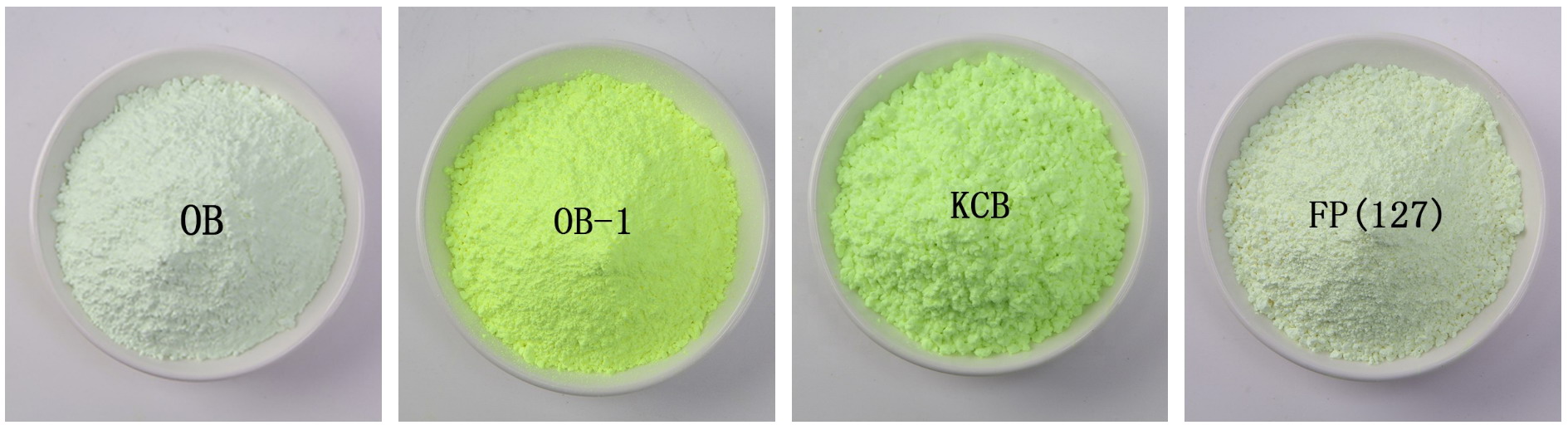
Now we want to explain the differences between OB 184 and OB-1 393.
In fact,optical brightener OB is totally different material from optical brightener OB-1.
The different raw material between Optical Brightner OB 184 and OB-1 393:
Optical Brightner OB 184 main raw material:2,5-Thiophenedicarboxylic acid,2-Amino-4-tert-butylphenol
Optical Brightner OB-1 393 main raw material:2-Aminophenol
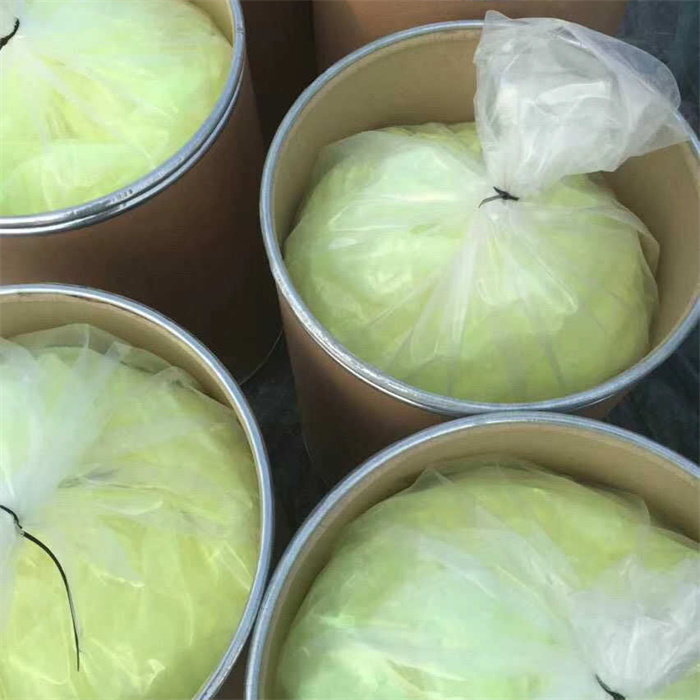
The data sheet differences between Optical Brightner OB 184 and OB-1 393:
Chemical Name:Optical Brightner OB 184:2,5'-Bis[2-(5-tert-buty l-2 benzoxazoly)thiophene
Optical Brightner OB-1 393:2.2’-(4.4’-diphenol vinyl) dibenzoxazol
C.I No.:Optical Brightner OB 184:184
Optical Brightner OB-1 393:393
CAS No.:Optical Brightner OB 184:7128-64-5
Optical Brightner OB-1 393:1533-45-5
Molecular Formula:Optical Brightner OB 184:C28H18N2O2
Optical Brightner OB-1 393:C26H26N2O2N2
Molecular Weight:Optical Brightner OB 184:414
Optical Brightner OB-1 393:430
Technical Index differences between Optical Brightner OB 184 and OB-1 393:
Optical Brightner OB-1 393 technical Index:
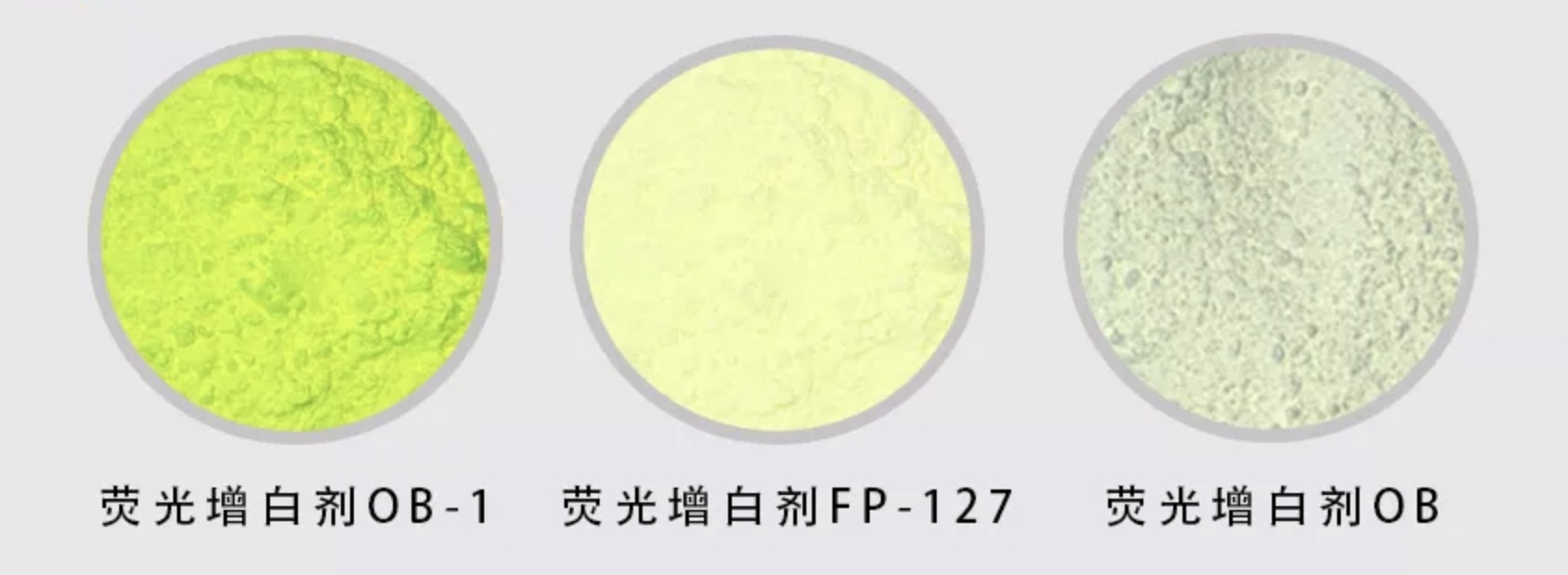
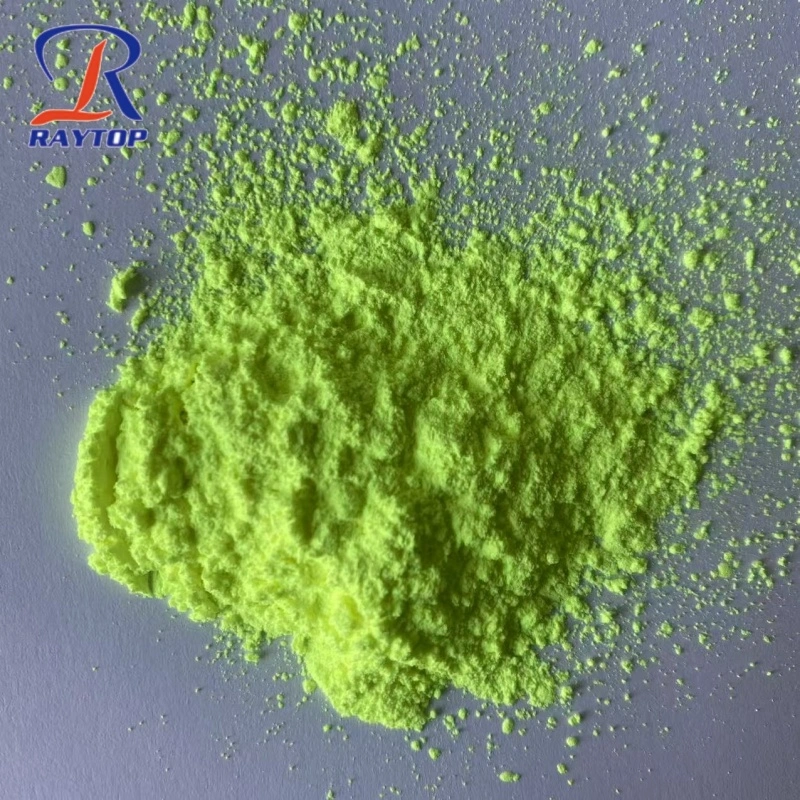
Appearance:yellowish green powder
Melting Point:357~359°C
Purity:≥99%
Optical Brightner OB 184 technical Index:
Appearance:slight greenish yellow powder
Melting Point:200-202°C
Purity:≥99%
The application Difference:
| Selection Scenario | Recommended Product | Key Reason |
|---|---|---|
| Inks, coatings, detergents | OB | Excellent dispersibility, high stability, strong resistance to yellowing |
| General plastics (PVC/PS/ABS/PE/PP) | Both work | OB offers better cost-performance; OB-1 provides higher whiteness |
| High-temperature engineering plastics (PET/PBT/PC) | OB-1 | Superior heat resistance (melting point ~360°C), ideal for high-temperature processing |
| Polyester/nylon fibers | OB-1 | Fiber-grade; high-temperature resistant with significant brightening effect |
| Outdoor products with high weather-resistance requirements | OB | Better weather resistance, less prone to yellowing and migration |
| Cost-sensitive mass production | OB-1 | Lower price, higher whiteness |
One-Sentence Summary: OB is the "all-rounder" — excellent dispersion, high stability, ideal for inks, coatings, and general plastics. OB-1 is the "heat-resistant specialist" — withstands up to 375°C, delivers higher whiteness, and is the top choice for high-temperature engineering plastics and synthetic fibers. Your choice depends on processing temperature, application requirements, and cost considerations.


264.jpg)