Introduction
White and bright clothes have long been associated with cleanliness, hygiene, and premium quality. Whether for household laundry, hotel textiles, hospitals, or industrial fabric processing, achieving and maintaining whiteness remains a key challenge. Over time, clothes tend to yellow or gray due to repeated washing, fabric aging, detergent residues, hard water minerals, and exposure to light.
As a result, consumers and manufacturers alike frequently ask an important question: what is the best product to whiten clothes effectively, safely, and economically?
This article provides an in-depth, research-based answer. We compare common whitening solutions, analyze their effectiveness through data, explain the science behind optical brighteners, and identify the most efficient and sustainable approach for modern textile whitening. Finally, we introduce a reliable manufacturer that supports high-performance whitening solutions for global markets.
Understanding Why Clothes Lose Their Whiteness
Before selecting the best whitening product, it is essential to understand the root causes of discoloration.
Key Factors Affecting Fabric Whiteness
| Cause | Description | Impact on Whiteness |
|---|---|---|
| Fiber aging | Natural degradation of cotton, polyester, or blends | Gradual yellowing |
| Residual detergent | Incomplete rinsing leaves deposits | Gray or dull appearance |
| Hard water minerals | Calcium and magnesium ions | Fabric darkening |
| Body oils & sweat | Oxidation over time | Yellow stains |
| UV exposure | Sunlight oxidation | Loss of brightness |
Research published in textile chemistry studies shows that over 65% of perceived fabric dullness is caused by light absorption changes rather than actual dirt accumulation. This insight is crucial when evaluating whitening products.
Common Products Used to Whiten Clothes
Several categories of products are commonly used to whiten clothes. Each has advantages and limitations.
1. Chlorine Bleach
Chlorine bleach is one of the oldest whitening agents.
Advantages
Strong stain removal
Immediate whitening effect
Disadvantages
Damages fibers
Causes fabric weakening
Yellowing over long-term use
Not suitable for colored or blended fabrics
2. Oxygen-Based Bleach
Oxygen bleach (sodium percarbonate) is widely used in modern detergents.
Advantages
Safer than chlorine
Effective at moderate temperatures
Eco-friendlier
Disadvantages
Limited whitening on aged fabrics
Slower action
Less effective on severe yellowing
3. Baking Soda and Home Remedies
Often recommended for household use.
Advantages
Low cost
Mild cleaning
Disadvantages
Minimal whitening effect
No long-term brightness improvement
Not suitable for industrial use
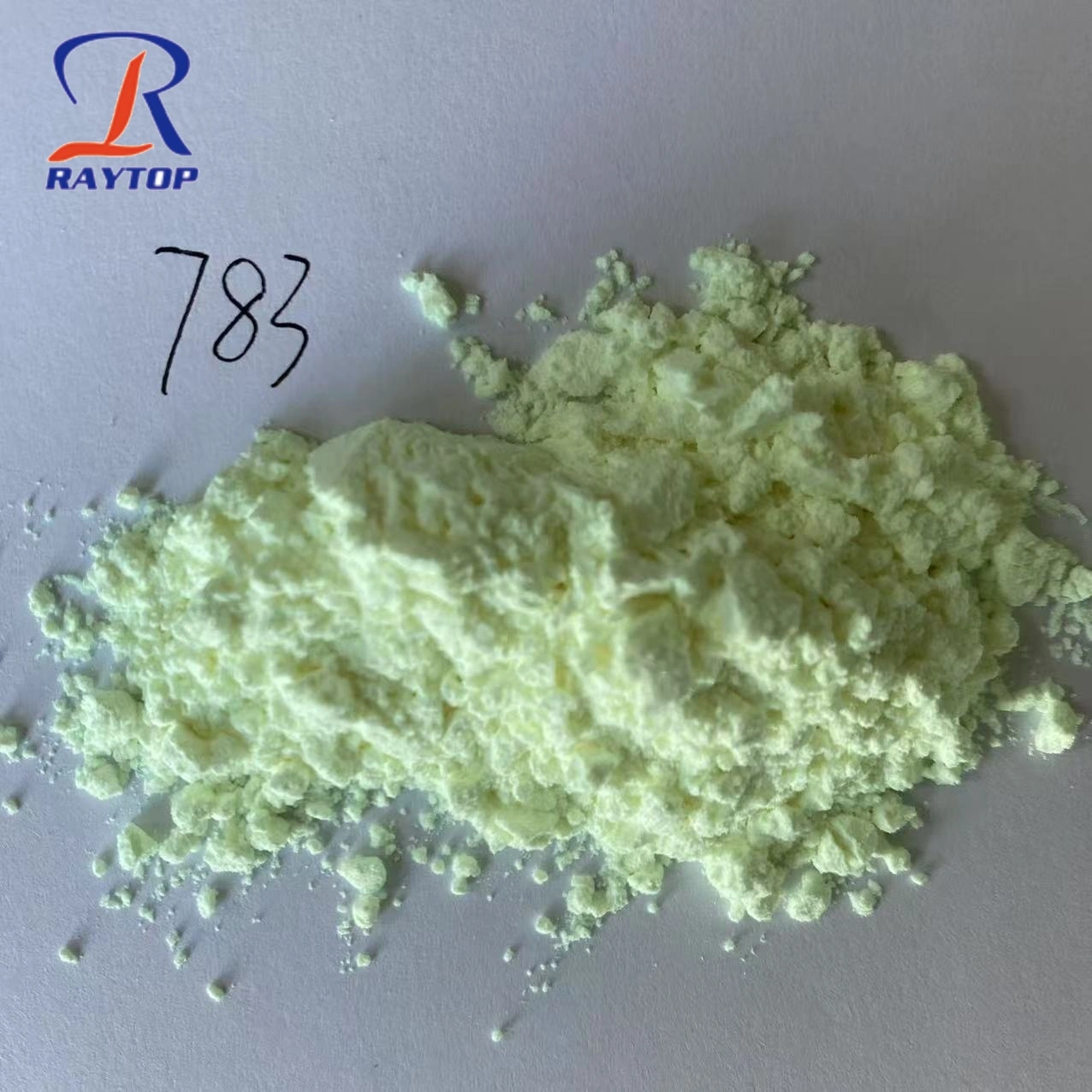
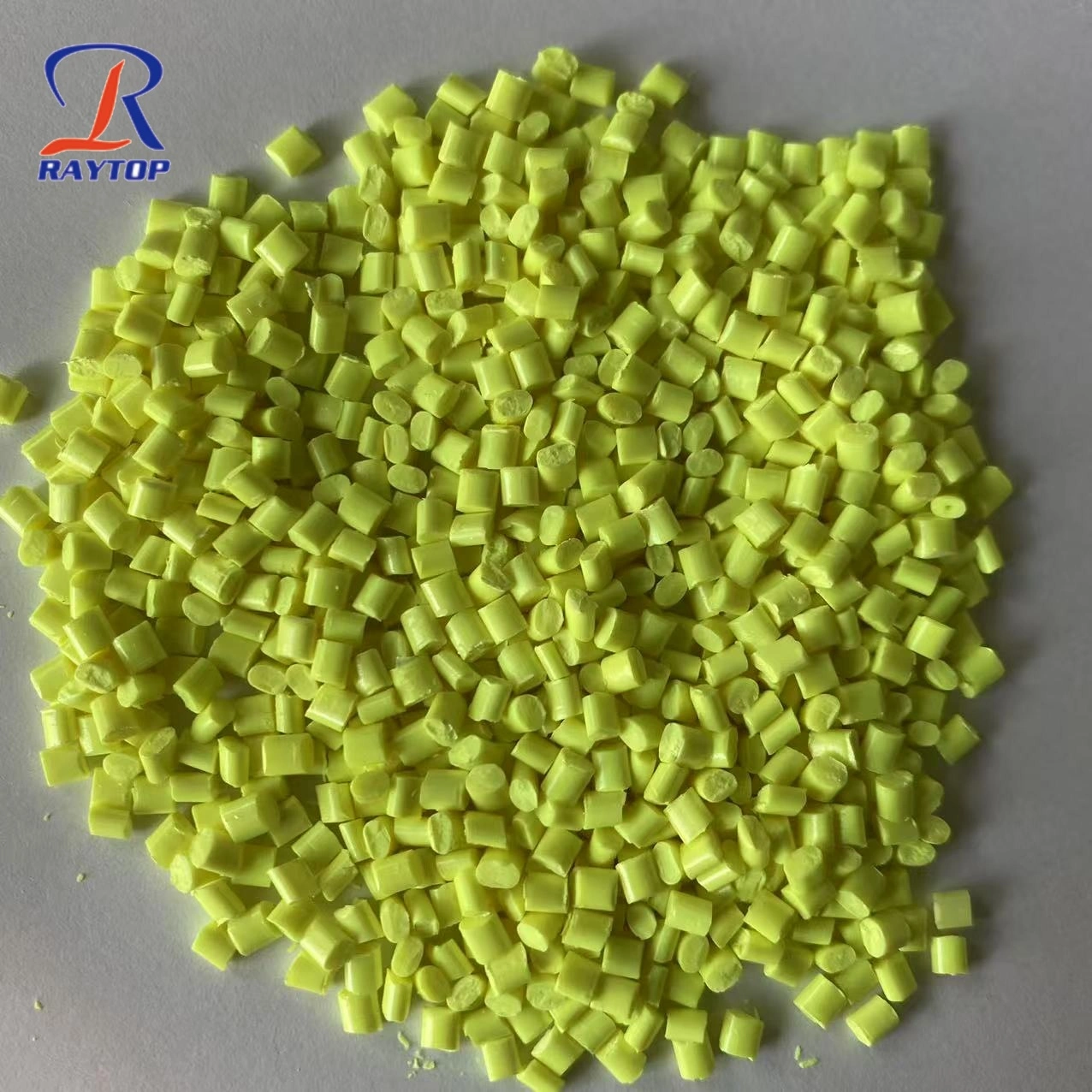
4. Optical Brighteners (Fluorescent Whitening Agents)
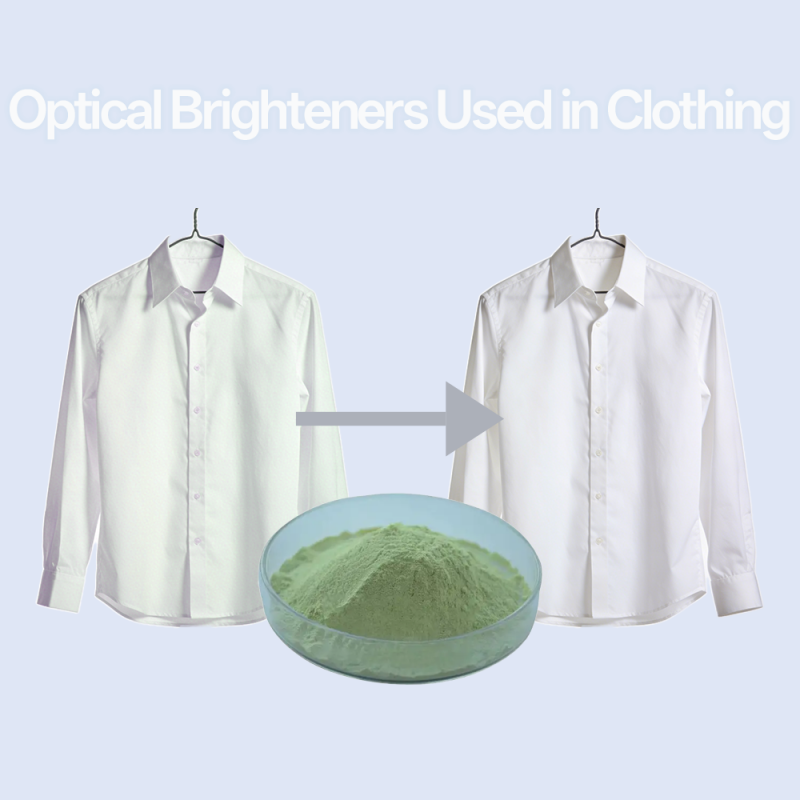
Optical brighteners represent the most advanced solution for whitening clothes.
Advantages
Enhance perceived whiteness without damaging fibers
Long-lasting brightness
Effective at low dosages
Compatible with detergents and textile processing
Disadvantages
Require precise formulation
Quality varies by manufacturer
View related products: Application of Fluorescent Whitening Agent 4BK on Cotton
Comparative Performance Data of Whitening Products
To objectively evaluate the best product to whiten clothes, we compare their performance based on standardized textile testing methods, including ISO whiteness index and fabric strength retention.
Whitening Efficiency Comparison
| Product Type | Whiteness Increase (%) | Fiber Damage Risk | Longevity |
|---|---|---|---|
| Chlorine bleach | 35–45% | High | Short |
| Oxygen bleach | 20–30% | Medium | Medium |
| Baking soda | 5–10% | Low | Very short |
| Optical brighteners | 40–60% | Very low | Long |
Fabric Strength Retention After 20 Washes
| Product | Strength Retention |
|---|---|
| Chlorine bleach | 70% |
| Oxygen bleach | 85% |
| Optical brighteners | 95% |
The data clearly indicates that optical brighteners offer the best balance between whitening performance and fabric protection.
How Optical Brighteners Work
Optical brighteners do not remove stains in the traditional sense. Instead, they work on a photophysical principle.
Scientific Explanation
Optical brighteners absorb invisible ultraviolet (UV) light
They re-emit this energy as visible blue light
Blue light counteracts yellow tones
The fabric appears whiter and brighter to the human eye
This process enhances perceived whiteness without chemically altering or weakening textile fibers.
Optical Brightener Performance by Application
| Application Area | Typical Dosage (%) | Whiteness Gain |
|---|---|---|
| Laundry detergent | 0.05–0.2 | High |
| Textile finishing | 0.1–0.3 | Very high |
| Paper & pulp | 0.05–0.15 | High |
| Plastic packaging | 0.01–0.05 | Moderate |
Read this article to learn about clothing whitening solutions: What to Use to Whiten Clothes: A Complete Guide with Solutions
Why Optical Brighteners Are the Best Product to Whiten Clothes
Based on industry research and performance data, optical brighteners stand out as the most effective solution.
Key Advantages
Superior Whitening Effect
Optical brighteners increase brightness beyond what cleaning alone can achieve.Low Dosage, High Efficiency
Minimal amounts deliver significant results, reducing formulation costs.Fabric Safety
They do not degrade fibers, extending garment life.Wide Compatibility
Suitable for cotton, polyester, blends, and synthetic fibers.Energy Efficiency
Effective even at low washing temperatures.Industrial Scalability
Ideal for detergents, textile mills, and large-scale laundering.
To learn how garments are whitened in industrial production, please see this article: How to Whiten Cotton Clothes in Mass Production
Market Trends and Industry Data
The global demand for whitening solutions continues to grow, particularly in detergents and textiles.
Global Optical Brightener Market Overview
| Region | Annual Growth Rate (%) |
|---|---|
| Asia-Pacific | 6.8 |
| Europe | 4.2 |
| North America | 3.9 |
| Africa | 5.1 |
According to industry estimates, optical brighteners account for over 75% of whitening agents used in modern detergents, confirming their dominance.
Choosing the Right Optical Brightener Supplier
Not all optical brighteners deliver the same results. Key selection criteria include:
Product purity and stability
Batch-to-batch consistency
Application-specific formulations
Technical support
Reliable global supply
Key Supplier Evaluation Criteria
| Factor | Importance Level |
|---|---|
| Product stability | Very high |
| Whiteness index consistency | Very high |
| Technical support | High |
| Delivery reliability | High |
| Cost-performance ratio | High |
Recommended Solution: Shandong Raytop Chemical Co., Ltd
For companies seeking the best product to whiten clothes, partnering with an experienced and specialized manufacturer is critical.
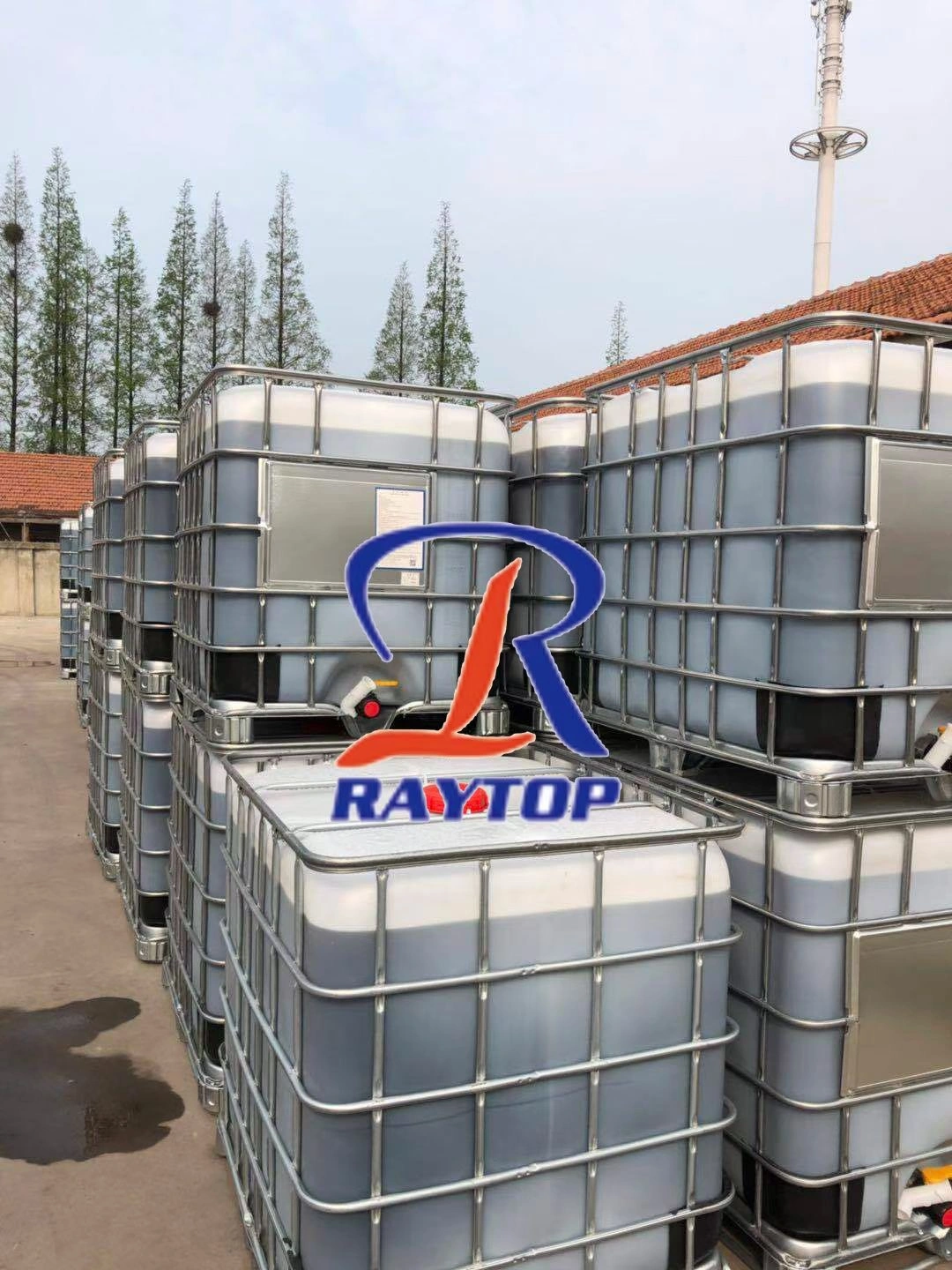
Shandong Raytop Chemical Co., Ltd, established in 2006 and located in Jinan City, Shandong Province, is a trusted global supplier of optical brightener series products.
Company Strengths
Three modern production bases covering 120,000 square meters
Six advanced workshops with over 260 skilled employees
Specialized in optical brighteners and raw materials
Products widely used in detergent, textile, plastic, coating, ink, and paper industries
Quality and Technology
Raytop Chemical has invested heavily in industry-leading testing equipment, including:
High Performance Liquid Chromatography (HPLC)
Whiteness meters
Automatic melting point apparatus
These ensure high quality, high stability, low dosage, and consistent whiteness across all products.
Technical Support and Global Reach
With a strong R&D and technical research team, Raytop continuously develops products to meet evolving market demands. Their optical brighteners are exported to Europe, America, East Asia, Southeast Asia, South Asia, and Africa, serving both mature and emerging markets.
Conclusion
After analyzing whitening mechanisms, performance data, fabric safety, and industry trends, it is clear that optical brighteners are the best product to whiten clothes in modern applications. They deliver superior whiteness, long-term brightness, and excellent fabric protection at low dosages.
For manufacturers, detergent formulators, and textile processors seeking reliable, high-performance whitening solutions, Shandong Raytop Chemical Co., Ltd stands out as a professional, experienced, and globally trusted partner. Their commitment to quality, innovation, and customer support makes them an excellent choice for businesses aiming to achieve outstanding whitening results and long-term success.