In the modern plastics industry, product appearance plays a critical role in consumer perception and market competitiveness. Whether manufacturing plastic packaging, household products, engineering plastics, automotive components, PVC pipes, films, or recycled plastic materials, achieving a bright, clean, and attractive appearance is often a key quality requirement.
However, many plastic products naturally develop yellowish or dull tones during production due to raw material impurities, high-temperature processing, aging, or the use of recycled materials. To overcome these challenges, manufacturers rely on fluorescent whitening agents, commonly known as optical brighteners.
Among the various whitening agents available today, Optical Brightener OB-1 is widely recognized as one of the most effective and versatile solutions for plastic applications. Its outstanding heat resistance, strong whitening performance, and broad compatibility with polymers make it a preferred additive for manufacturers worldwide.
This comprehensive guide explains everything you need to know about Optical Brightener OB-1 for plastics, including its working principle, technical specifications, benefits, dosage recommendations, industry pain points, application methods, competitive analysis, and future market trends.
What Is Optical Brightener OB-1?
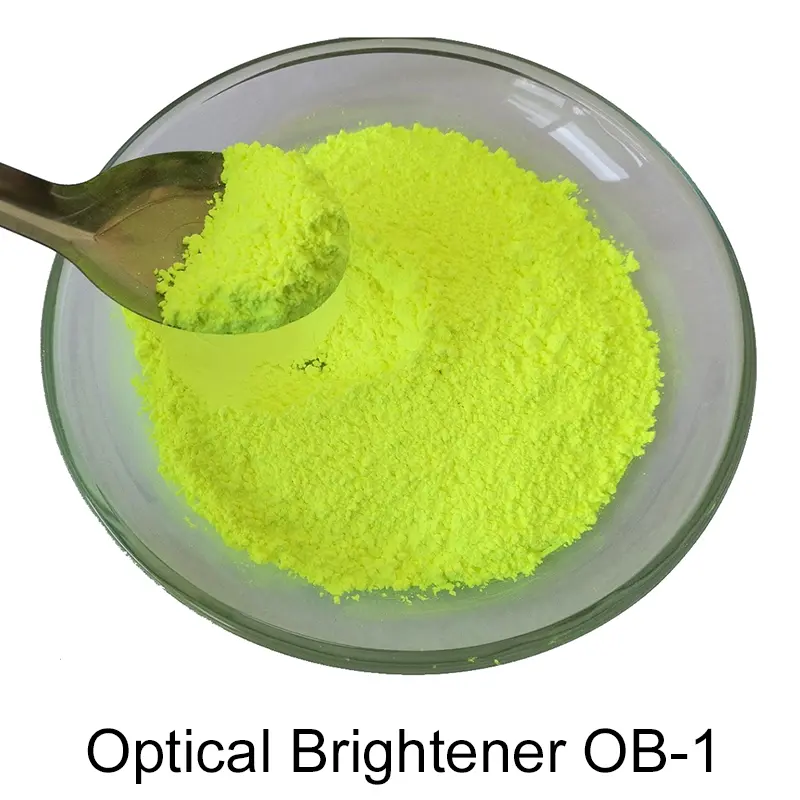
Optical Brightener OB-1 is a high-performance fluorescent whitening agent belonging to the benzoxazole family.
Chemical Name:
2,2'-(1,2-Ethenediyldi-4,1-phenylene) Bisbenzoxazole
CAS Number:
1533-45-5
Its primary function is to improve the visual whiteness and brightness of plastic products by converting invisible ultraviolet light into visible blue-violet light.
Unlike pigments or dyes, OB-1 does not chemically change the color of the material. Instead, it creates an optical effect that makes products appear brighter and cleaner.
How Optical Brightener OB-1 Works
The whitening mechanism of OB-1 is based on fluorescence technology.
Step 1: UV Absorption
The OB-1 molecule absorbs ultraviolet radiation from sunlight or artificial lighting.
Step 2: Fluorescent Emission
The absorbed energy is converted into visible blue-violet light.
Step 3: Optical Compensation
The emitted blue light offsets yellowish tones present in plastic materials.
Step 4: Enhanced Brightness
The human eye perceives the material as:
Brighter
Whiter
Cleaner
More visually appealing
This effect significantly improves product appearance without affecting mechanical properties.
Optical Brightener OB-1 is an organic compound that is used to absorb ultraviolet (UV) light and re-emit it as visible light. It is used to increase the whiteness of plastic and paper products. OB-1 is most effective in the violet and blue regions of the visible spectrum, and is usually added to plastic at a concentration of 0.1–0.5%. OB-1 is commonly used in the manufacture of plastic parts for the automotive, electronics and packaging industries.
In which plastics can optical brightener ob-1 be used.
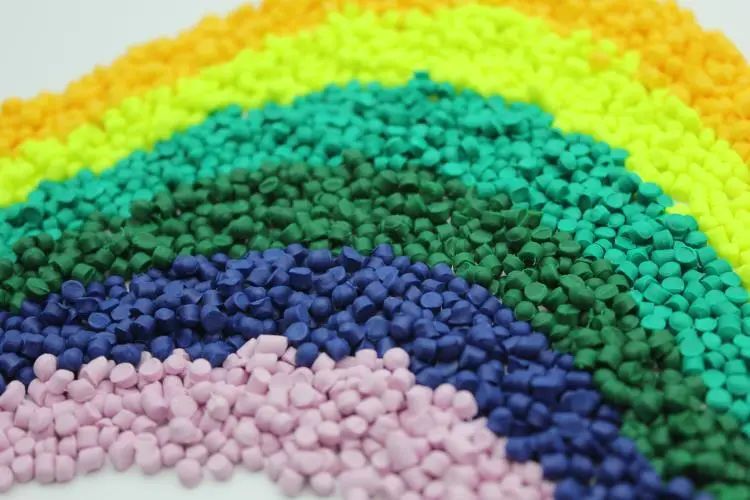
Optical brightener OB-1 can be used in most thermoplastics such as polyethylene, polypropylene, polystyrene, polyvinyl chloride, polycarbonate, polyurethane, polyamides, and polyesters.
Usage and dosage of optical brightener ob-1 in plastics
Optical Brightener OB-1 is used in plastics at concentrations of 0.01-0.1%. The exact amount should be determined by the manufacturer or end user depending on the desired effect and application. OB-1 is most effective when added to the molten polymer prior to molding. It may also be added to the concentrate or masterbatch prior to compounding.
What should be paid attention to when purchasing ob-1?
1. Ensure that the optical brightener OB-1 purchased is of high quality and from an established supplier.
2. Make sure the optical brightener OB-1 is suitable for the application intended.
3. Check the safety data sheet to ensure the product is safe to use.
4. Consider the environmental impact of the product and opt for a more sustainable option if possible.
Technical Specifications of Optical Brightener OB-1
| Item | Specification |
|---|---|
| Product Name | Optical Brightener OB-1 |
| CAS Number | 1533-45-5 |
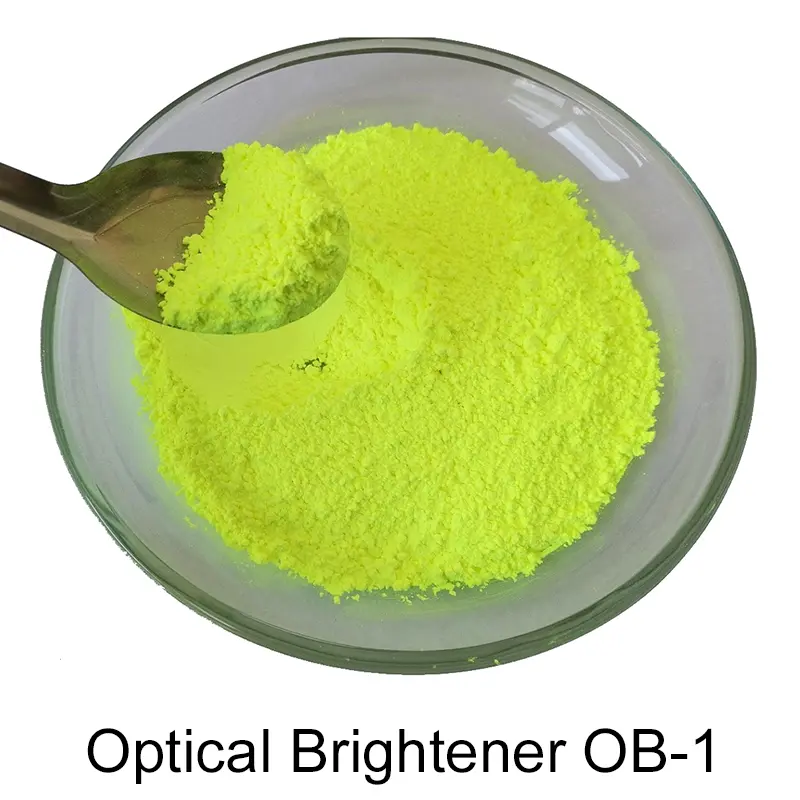
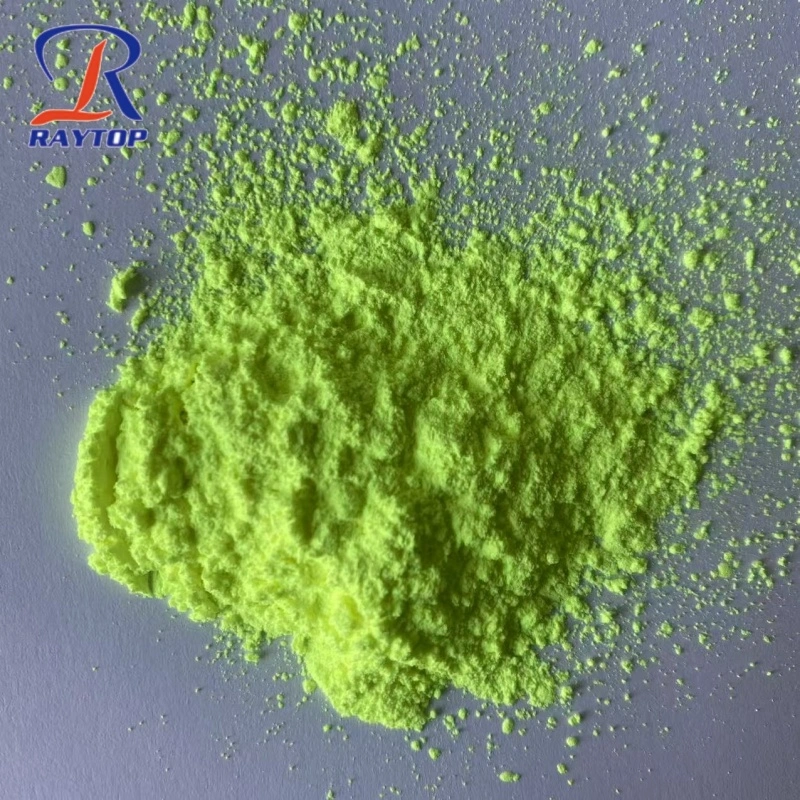
| Appearance | Yellow-Green Powder |
| Molecular Formula | C28H18N2O2 |
| Molecular Weight | 414.45 |
| Purity | ≥98% |
| Melting Point | 355°C–360°C |
| Absorption Wavelength | 374nm |
| Emission Wavelength | 434nm |
| Solubility | Insoluble in Water |
| Light Fastness | Excellent |
| Heat Stability | Excellent |
The exceptionally high melting point is one of the major reasons why OB-1 is favored in plastic manufacturing.
Why Plastic Manufacturers Choose OB-1
Plastic processing often involves temperatures between 180°C and 320°C.
Many conventional whitening agents degrade under such conditions.
OB-1 offers several advantages:
Superior heat resistance
Strong whitening effect
Low dosage requirement
Excellent light stability
Broad polymer compatibility
Cost-effective performance
These benefits make it suitable for both commodity plastics and engineering plastics.
Common Industry Pain Points Solved by OB-1
Yellowing During Processing
High temperatures can cause polymer discoloration.
OB-1 compensates for yellow tones and restores brightness.
Poor Appearance of Recycled Plastics
Recycled plastics often contain impurities and degraded polymers.
OB-1 helps improve visual quality and market value.
Inconsistent Product Color
Manufacturers often struggle with color variation between batches.
OB-1 improves consistency and production stability.
Low Product Value Perception
Consumers associate brighter products with superior quality.
Whiter plastics generally achieve stronger market acceptance.
Difficulty Whitening Engineering Plastics
Many engineering polymers require processing temperatures above 280°C.
OB-1 remains stable where many alternative brighteners fail.
Applications of Optical Brightener OB-1 in Plastics
Polyethylene (PE)
Applications include:
Packaging films
Plastic bags
Agricultural films
Containers
Polypropylene (PP)
Used in:
Household products
Injection molding parts
Automotive components
Polyvinyl Chloride (PVC)
Common applications:
PVC pipes
PVC profiles
Cable compounds
PVC sheets
ABS Plastics
OB-1 enhances appearance in:
Electronics housings
Consumer products
Automotive interiors
PET Plastics
Widely used for:
Bottles
Packaging materials
Polyester applications
Nylon (PA)
Suitable for engineering-grade nylon products requiring high-temperature processing.
Polycarbonate (PC)
Used in transparent and semi-transparent engineering products.
Recycled Plastics
One of the fastest-growing applications due to increasing sustainability initiatives worldwide.
Recommended Dosage of Optical Brightener OB-1
Proper dosage depends on resin type, product color, and desired brightness.
PE Plastics
Recommended dosage:
0.01%–0.05%
Example:
100 kg PE resin:
10–50 grams OB-1
PP Plastics
Recommended dosage:
0.01%–0.05%
PVC Products
Recommended dosage:
0.01%–0.05%
ABS Plastics
Recommended dosage:
0.02%–0.08%
PET Products
Recommended dosage:
0.02%–0.05%
Recycled Plastics
Recommended dosage:
0.03%–0.10%
Higher loading may be necessary depending on the degree of discoloration.
Methods of Using OB-1 in Plastic Manufacturing
Direct Addition
The most common method.
OB-1 powder is blended directly with resin and additives before extrusion or molding.
Masterbatch Method
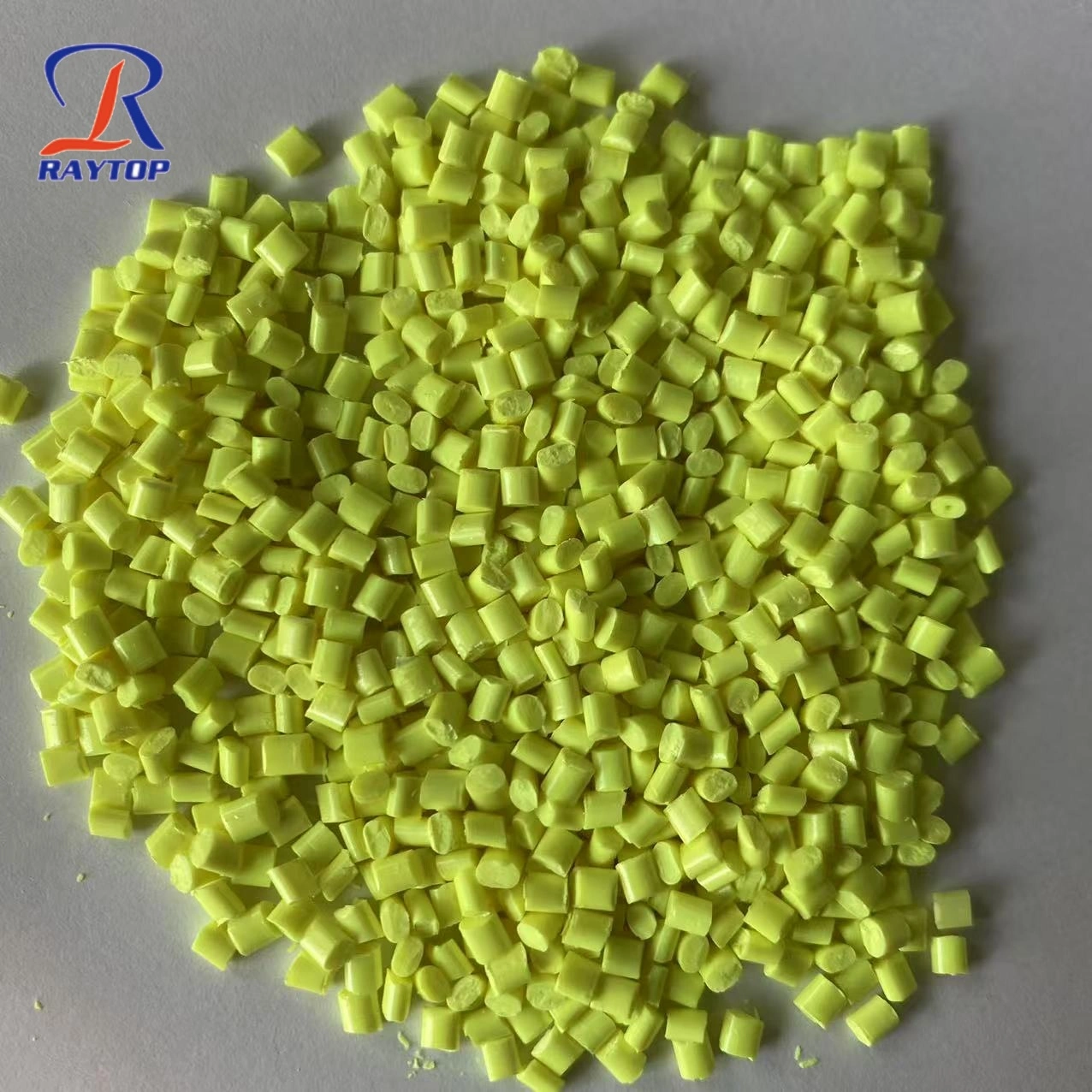
OB-1 is first incorporated into a concentrated masterbatch.
Advantages include:
Better dispersion
Improved consistency
Easier dosage control
Twin-Screw Extrusion
Widely used for high-performance applications because it ensures uniform distribution throughout the polymer matrix.
Key Advantages of Optical Brightener OB-1
Outstanding Heat Resistance
OB-1 withstands temperatures above 350°C.
Ideal for:
PET
Nylon
Engineering plastics
High Whitening Efficiency
Small additions create significant visual improvements.
Excellent Weather Resistance
Maintains whitening performance over time.
Broad Compatibility
Works well with:
PE
PP
PVC
ABS
PET
PBT
PA
PC
Cost Savings
Low dosage levels reduce production costs.
Improved Product Appearance
Enhances visual quality and customer satisfaction.
Optical Brightener OB-1 vs Optical Brightener OB
Many buyers compare OB-1 with Optical Brightener OB.
| Feature | OB-1 | OB |
| Heat Resistance | Excellent | Good |
| Melting Point | 355°C+ | Around 200°C |
| Engineering Plastics | Excellent | Limited |
| Whitening Power | Higher | Moderate |
| Cost | Higher | Lower |
For high-temperature plastics, OB-1 is generally superior.
Optical Brightener OB-1 vs KCB
| Feature | OB-1 | KCB |
| Thermal Stability | Excellent | Excellent |
| Polyester Applications | Superior | Good |
| Cost Efficiency | High | Moderate |
| Plastic Compatibility | Excellent | Excellent |
| Processing Range | Wider | Moderate |
OB-1 often delivers better overall value.
Optical Brightener OB-1 vs FP-127
| Feature | OB-1 | FP-127 |
| PVC Applications | Excellent | Excellent |
| Engineering Plastics | Superior | Good |
| Heat Resistance | Superior | Moderate |
| Recycled Plastic Performance | Excellent | Good |
For demanding applications, OB-1 is typically the preferred option.
Optical Brightener OB-1 for Recycled Plastics
The global recycling industry is expanding rapidly.
However, recycled plastics frequently suffer from:
Yellowing
Discoloration
Reduced visual appeal
OB-1 effectively addresses these issues by:
Increasing brightness
Improving color consistency
Enhancing product appearance
This allows manufacturers to create recycled products that closely resemble virgin materials.
Quality Control Considerations
When purchasing OB-1, manufacturers should verify:
Purity
Recommended:
≥98%
Particle Size
Fine particle size improves dispersion.
Thermal Stability
High-temperature resistance is essential for engineering plastics.
Batch Consistency
Reliable suppliers provide stable quality across production lots.
Compliance
Look for:
ISO 9001
REACH
RoHS
How to Choose the Right OB-1 Supplier
Manufacturing Experience
Choose suppliers specializing in optical brighteners.
Technical Support
Professional suppliers provide:
Dosage recommendations
Application guidance
Laboratory testing assistance
Stable Production Capacity
Consistent supply is critical for large-scale manufacturing.
Global Export Experience
Experienced exporters understand international regulations and quality requirements.
Competitive Pricing
Evaluate overall value rather than focusing solely on the lowest price.
Future Market Trends
Several factors are driving demand for OB-1 in plastic applications.
Growth of Engineering Plastics
Automotive, electronics, and industrial sectors increasingly use high-performance polymers.
Expansion of Recycling
More recycled plastic products require whitening solutions.
Premium Product Appearance Requirements
Consumers expect cleaner, brighter plastic products.
Sustainable Manufacturing
Improved appearance helps increase the commercial value of recycled materials.
Expert Recommendations
Based on industry experience, OB-1 is particularly recommended for:
High-temperature plastics
Engineering polymers
White masterbatches
Recycled plastics
PET products
PVC applications
Manufacturers seeking long-term color stability, superior brightness, and processing reliability often achieve better results with OB-1 than with conventional whitening agents.
Conclusion
Optical Brightener OB-1 is one of the most powerful and reliable fluorescent whitening agents available for plastic manufacturing. Its exceptional thermal stability, strong whitening performance, broad polymer compatibility, and low dosage requirements make it a preferred solution across industries ranging from packaging and PVC production to engineering plastics and recycled materials.
Compared with alternative brighteners such as OB, KCB, and FP-127, OB-1 offers superior performance in high-temperature environments while delivering outstanding brightness and long-term color stability. By solving common challenges such as yellowing, poor appearance, inconsistent color, and reduced market value, OB-1 helps plastic manufacturers improve product quality, strengthen competitiveness, and maximize profitability.
For companies looking to produce brighter, cleaner, and higher-value plastic products, Optical Brightener OB-1 remains one of the most effective and cost-efficient whitening solutions available in today's global plastics industry.
It is precisely because ob-1 can solve the problem of yellowing and dull color in plastics. Whether you are a plastic product factory, or a distributor or dealer of plastic additives, you can purchase directly from our factory. Raytop Chemical is the most professional Optical Brightener OB-1 manufacturer and supplier in China, welcome to contact our experts.
264.jpg)