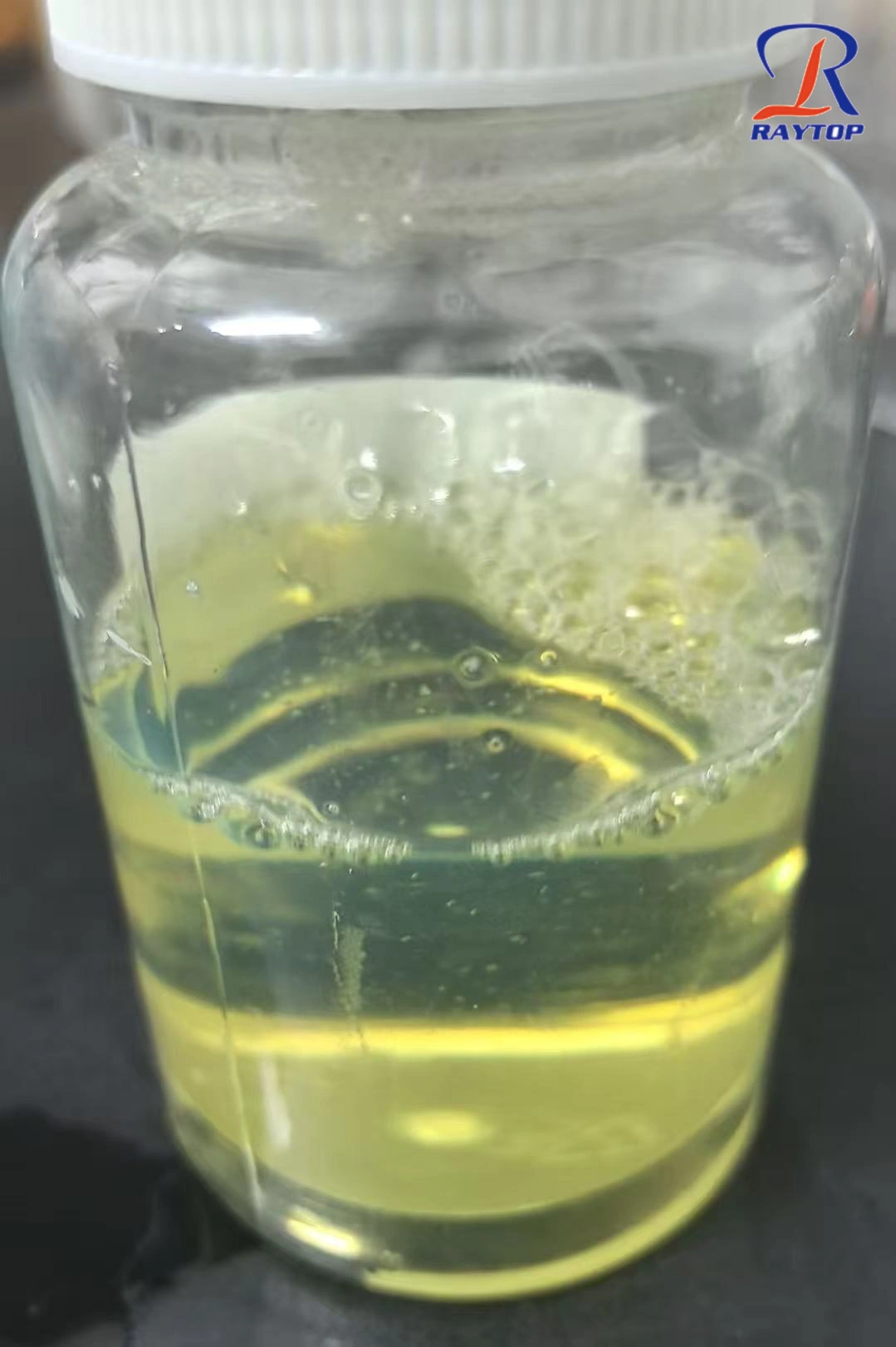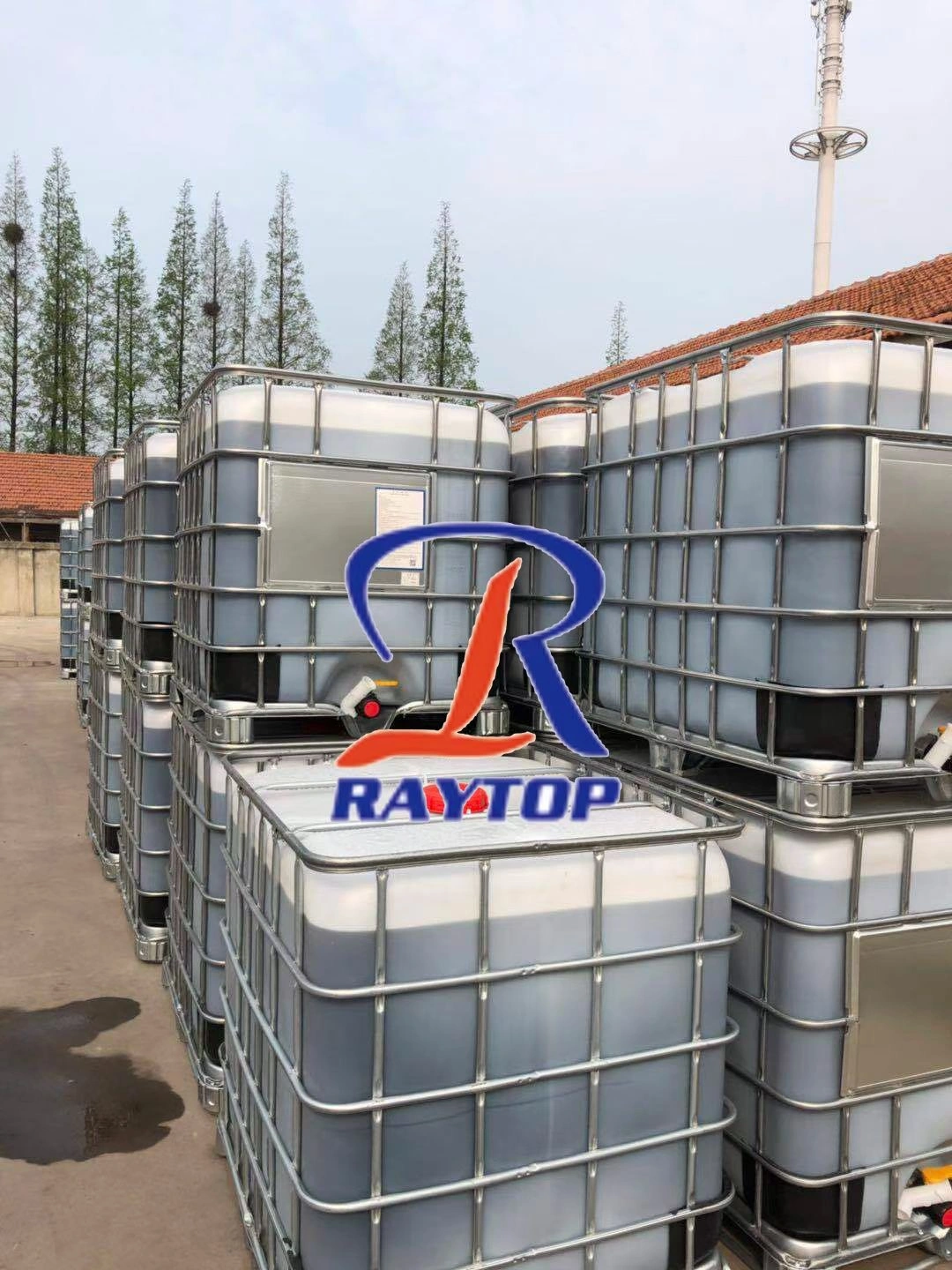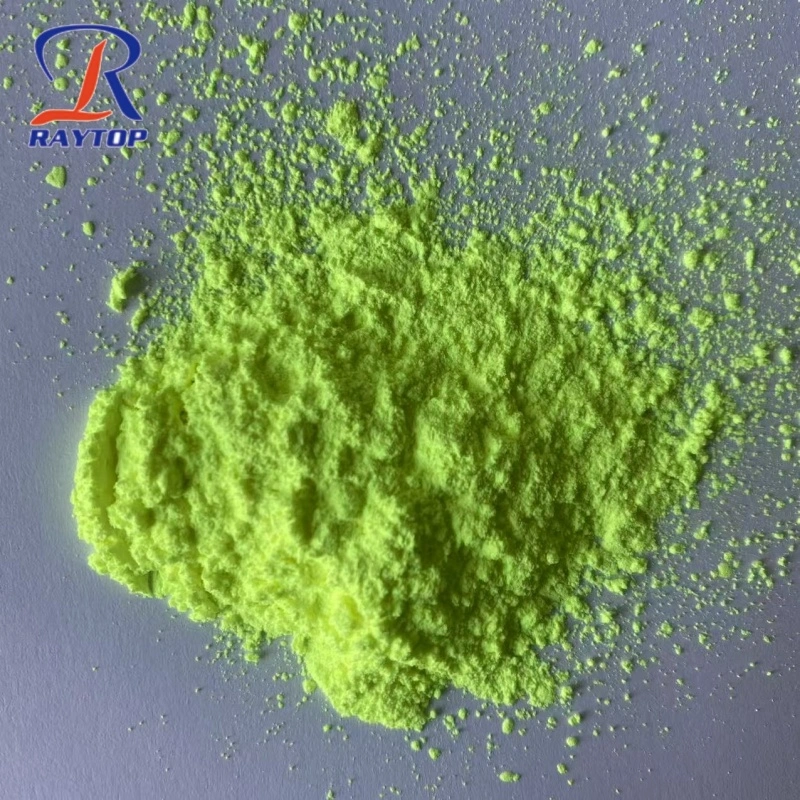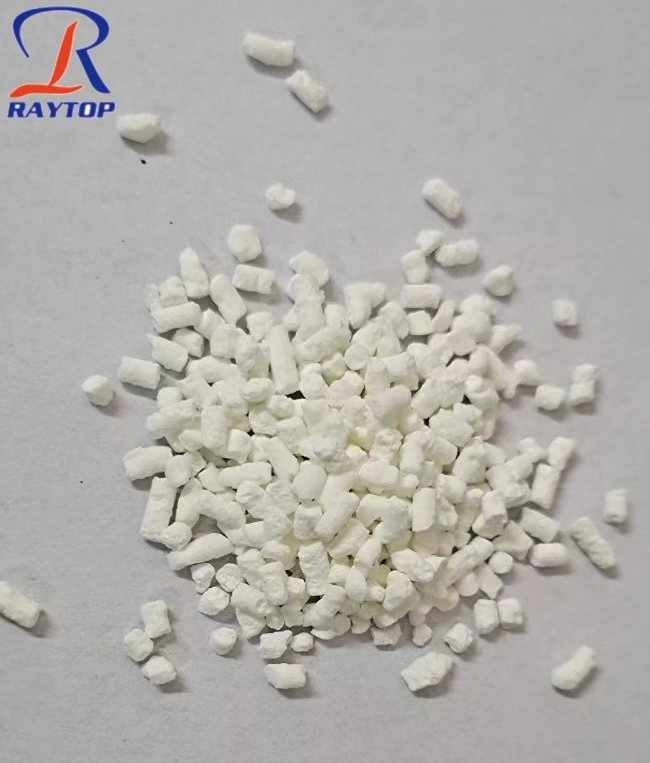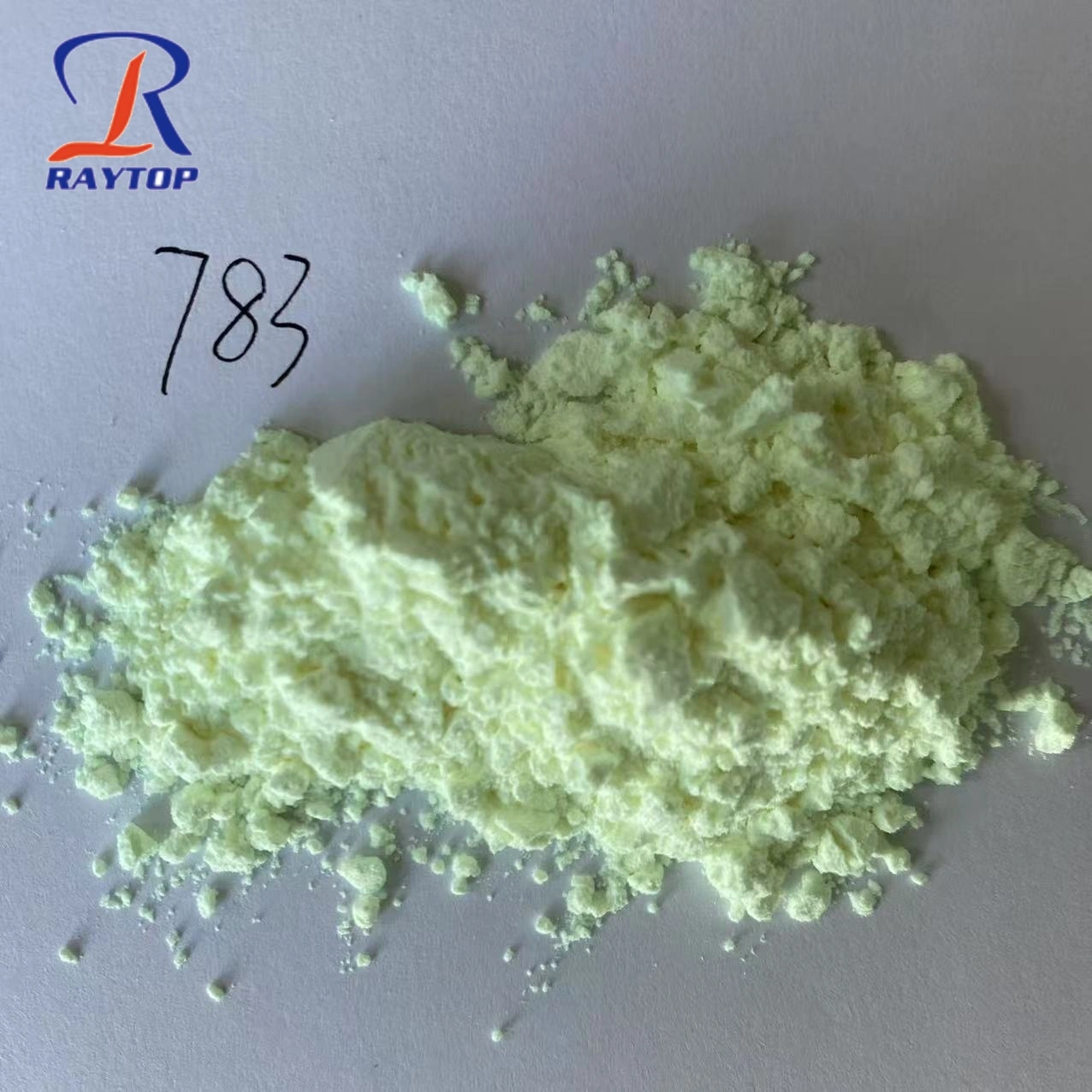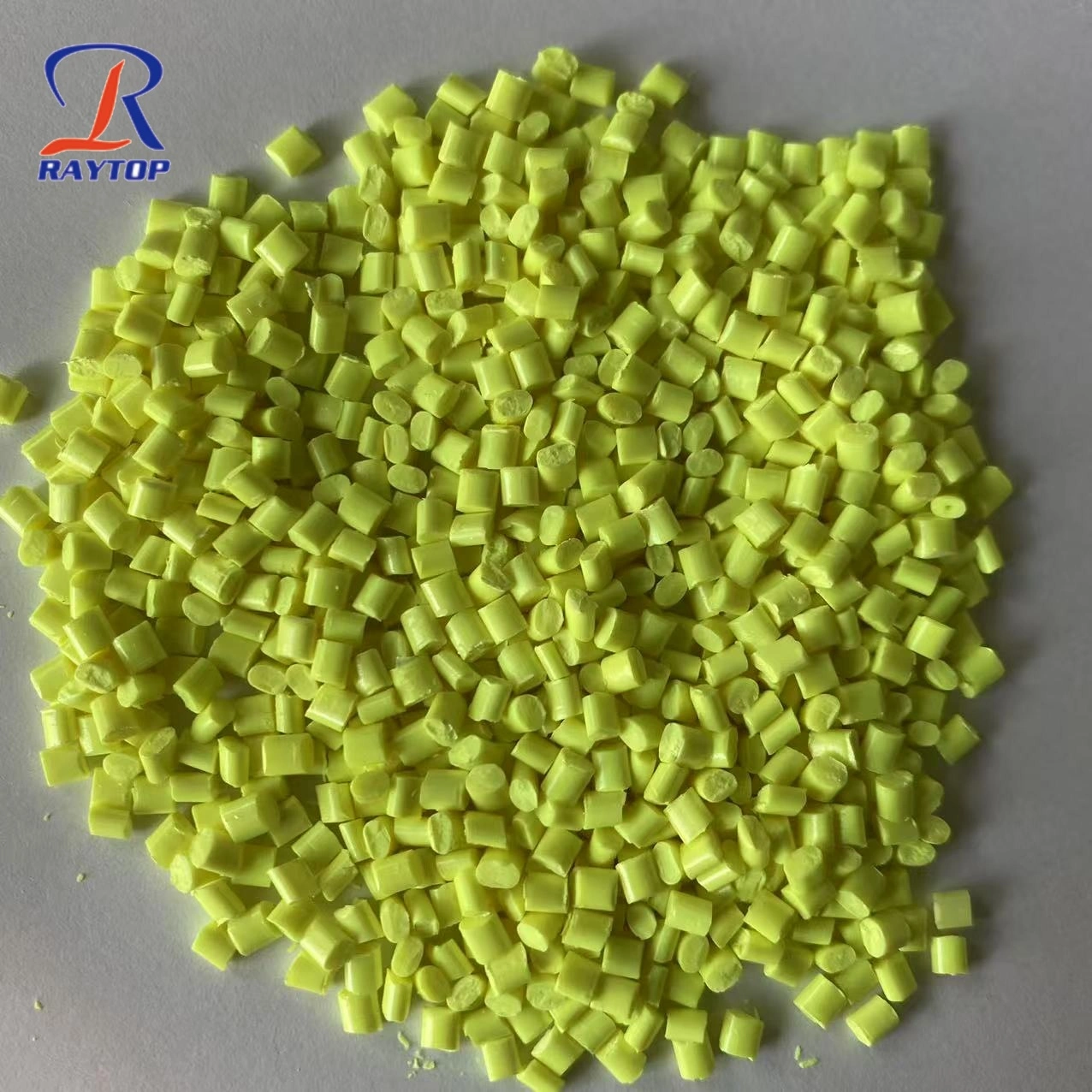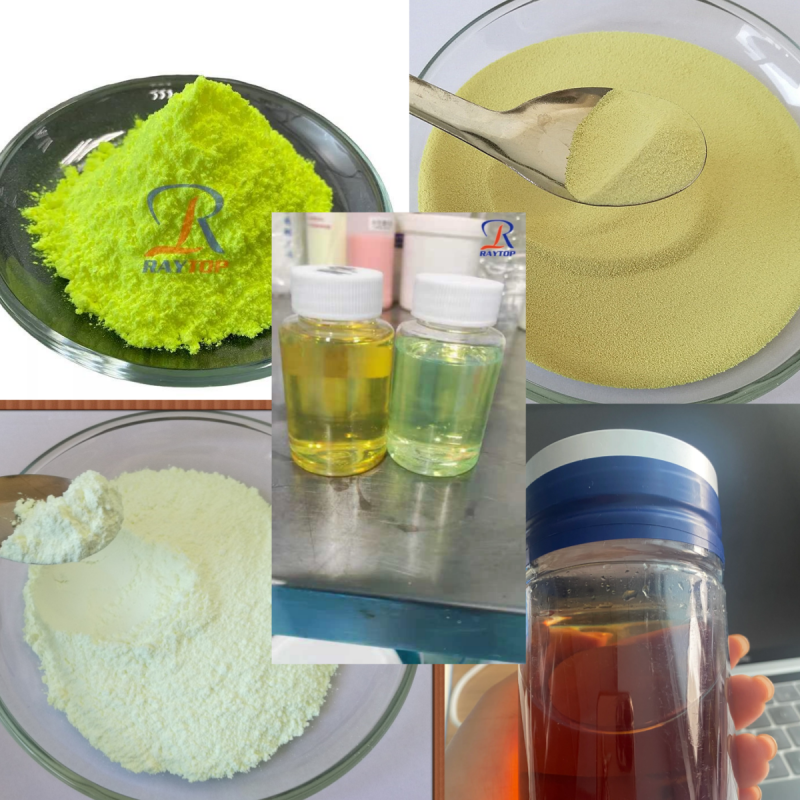
Optical brighteners, also known as fluorescent whitening agents (FWAs), are widely used additives in industries such as plastics, textiles, paper, coatings, and detergents. They enhance the whiteness and brightness of materials by absorbing ultraviolet (UV) light and emitting it as visible blue light, which makes surfaces appear whiter and more vibrant. Despite their widespread use, there has been ongoing debate regarding their safety and environmental impact. In this article, we explore whether optical brighteners are harmful, analyze scientific research data, and highlight safe and reliable sources for high-quality optical brighteners.
What Are Optical Brighteners?
Optical brighteners are chemical compounds that belong to the class of stilbene, coumarin, or benzoxazole derivatives. Their primary function is to counteract the natural yellowing of materials. By absorbing invisible UV light and re-emitting it as visible blue light, they create the perception of enhanced whiteness.
Key applications include:
Textile industry: Brightening fabrics, particularly cotton and synthetic blends. View related products: China Optical Brightener CLE for Nylon and Cotton
Paper-making: Increasing the whiteness of paper products. View related products: Optical Brighteners in Paper
Plastics: Improving the visual appeal of polypropylene, polyethylene, and PVC. View related products: Optical Brightener for PVC Wallpaper
Detergents: Maintaining the brightness of washed clothes. View related products: Optical Brightener CBS-L for detergent and textile
Coatings and inks: Enhancing the brilliance of painted surfaces and printed products. View related products: Optical brightener OB 184 CAS NO.7128-64-5 used for ink/pint/coating
Safety Concerns Around Optical Brighteners
The safety of optical brighteners has been questioned primarily due to their chemical composition and potential environmental persistence. Some concerns raised include:
Skin irritation: Certain optical brighteners may cause mild allergic reactions in sensitive individuals.
Environmental impact: These compounds are resistant to biodegradation and can accumulate in aquatic ecosystems, potentially affecting marine life.
Food contact risk: Although generally low, contamination in food packaging has been studied for potential chemical migration.
To evaluate these concerns scientifically, we examine research studies and toxicity data.
Toxicity and Environmental Studies
1. Acute Toxicity
Research shows that optical brighteners have relatively low acute toxicity. For example, a study published in the Journal of Hazardous Materials measured the median lethal dose (LD50) of several commonly used FWAs in rats.
| Compound Type | LD50 (mg/kg, oral, rat) | Classification |
|---|---|---|
| Stilbene derivative | >5000 | Practically non-toxic |
| Coumarin derivative | 3500–4500 | Low toxicity |
| Benzoxazole derivative | >5000 | Practically non-toxic |
Interpretation: The LD50 values indicate that optical brighteners are generally low in acute toxicity and pose minimal risk to human health at normal usage levels.
2. Chronic Exposure
Chronic exposure studies on optical brighteners in animals have revealed no significant carcinogenic or mutagenic effects at typical concentrations used in consumer products.
| Study Model | Exposure Level | Duration | Observations |
|---|---|---|---|
| Mice (oral) | 0.1% FWA in diet | 24 months | No significant organ damage |
| Fish (aquatic) | 1 mg/L in water | 90 days | Slight bioaccumulation, reversible |
| Rats (dermal) | 5% FWA cream | 12 months | Mild skin irritation in 2% of subjects |
Interpretation: Typical exposure levels in detergents, textiles, and plastics are far below these experimental levels, indicating safety for everyday use.
3. Environmental Impact
Optical brighteners are highly resistant to photodegradation and biodegradation. Consequently, they may persist in water bodies. However, studies show that modern wastewater treatment can remove the majority of FWAs.
| Treatment Method | Removal Efficiency (%) |
|---|---|
| Conventional activated sludge | 60–75 |
| Advanced oxidation (UV + H2O2) | 85–95 |
| Adsorption on activated carbon | 90–98 |
Interpretation: While FWAs can accumulate in the environment, proper industrial wastewater treatment significantly reduces their concentration, minimizing ecological risk.
4. Human Health Risk Assessment
Regulatory agencies, including the European Chemicals Agency (ECHA) and U.S. Environmental Protection Agency (EPA), classify most commercially used optical brighteners as low-risk chemicals. Studies assessing migration from textiles and plastics to skin or food indicate exposure is minimal.
| Source Material | Migration Rate (µg/cm²/day) | Safety Threshold |
|---|---|---|
| Cotton textile | 0.01–0.05 | <0.1 |
| PET food packaging | 0.002–0.01 | <0.05 |
| Plastic container | 0.005–0.02 | <0.1 |
Conclusion: Under normal conditions, optical brighteners pose a low risk to human health. However, it is essential to source high-quality, well-tested FWAs to avoid impurities.
Regulatory Standards
Optical brighteners are subject to strict regulations worldwide:
EU: Listed in REACH Annex XVII; safe for use in textiles and detergents within specific limits.
USA: FDA and EPA regulate FWAs used in consumer products.
China: GB/T 22084-2008 defines quality standards for optical brighteners in textiles and plastics.
Compliance with these standards ensures safe use for both manufacturers and consumers.
Advantages of High-Quality Optical Brighteners
Using high-quality FWAs offers multiple benefits beyond aesthetics:
Low dosage, high efficiency: Modern brighteners achieve excellent whiteness with minimal quantity, reducing chemical load.
Thermal and chemical stability: Stable in high-temperature plastic processing and resistant to detergent chemicals.
Consistent performance: Reliable brightness across batches, avoiding variability in end products.
Cost-effectiveness: High brightness at low dosage reduces production costs.
This article will tell you how to choose the right optical brightener: How to Choose Optical Brighteners: List of Types, Benefits and Limitations
Case Studies of Optical Brightener Applications
Textiles
A cotton manufacturer compared garments with and without FWAs:
| Sample | Whiteness Index | Brightness Improvement |
|---|---|---|
| Without FWA | 72 | - |
| With FWA | 88 | +22% |
Plastics
A polypropylene producer used optical brighteners in injection molding:
| Sample | Whiteness Value | Dosage (%) |
|---|---|---|
| Control | 65 | 0 |
| FWA-treated | 82 | 0.05 |
Result: Significant improvement in appearance and market competitiveness.
Best Practices for Safe Use
Choose certified suppliers: Ensure the optical brighteners meet international safety standards.
Follow recommended dosages: Avoid excessive addition to reduce environmental load.
Treat industrial wastewater: Apply modern treatment technologies to minimize ecological impact.
Educate workers: Provide protective equipment and training for handling raw chemicals.
Why Choose Shandong Raytop Chemical Co., Ltd.
When selecting optical brighteners, reliability, quality, and technical support are crucial. Shandong Raytop Chemical Co., Ltd, established in 2006 in Jinan City, Shandong Province, offers unmatched expertise and solutions:
Production scale: Three production bases covering 120,000 square meters, 6 workshops, and over 260 employees.
Product range: Optical brightener series, raw materials, and other plastic additives for plastics, coatings, inks, detergents, textiles, and paper-making.
Quality and technology: Advanced testing equipment, including HPLC, whiteness meters, and melting point apparatus, ensure product consistency and high stability.
R&D capabilities: A leading technical team capable of addressing complex development projects and evolving market demands.
Global reach: Products exported worldwide, including Europe, America, East Asia, Southeast Asia, South Asia, and Africa.
Customer support: Timely delivery, competitive pricing, and comprehensive after-sales services.
By choosing Raytop Chemical, customers gain access to high-quality optical brighteners that maximize product whiteness, minimize dosage, and meet environmental and safety standards.
Conclusion
Based on current scientific research, optical brighteners are generally safe for human health when used appropriately. Their low acute toxicity, minimal migration from consumer products, and manageable environmental impact under proper wastewater treatment make them reliable additives for enhancing whiteness and brightness.
For manufacturers seeking quality, stability, and expert support in optical brightener applications, Shandong Raytop Chemical Co., Ltd offers a trusted solution. With decades of experience, advanced facilities, and a global client base, Raytop ensures products that meet regulatory standards, provide consistent performance, and support sustainable industrial practices.